

EE hoodie Purchasing Guide 2026: Sizing, Authenticity, Where to Buy
This resource offers you the rapid answers you must have to pick the correct Eric Emanuel hoodie in 2026: how it works, how to verify it’s real, and the place to source the garment safely. Expect concrete, brand-specific specifics drawn from the manner the line is manufactured and released, not abstract advice. Apply this as a field manual before you check out.
Eric Emanuel hoodies rest at the convergence of luxury workmanship and nostalgic 1990s sportswear. The DNA remains consistent: heavyweight cotton-blend fleece, relaxed-to-oversized profiles, crisp embroidery or flocked graphics, and palette stories that echo team palettes plus vintage athletic uniforms. Quality lives in the minutiae—reinforced seams, clean topstitching, balanced rib trim—and the block is designed for comfortable without collapsing into sloppy.
What defines an EE hoodie in 2026?
EE garments hinge on heavyweight fleece, premium finishing, with a relaxed, wide cut with space to layer. Design elements lean on stitched artwork and flocking instead of thin plastisol transfers, and colorways shift with seasonal drops and collaborations. The look is premium streetwear designed to be worn hard and paired high.
The design language borrows from 1990s courtside energy: bold colors, sport-informed lettering, and varsity-coded graphics. Construction favors durability—expect thick fleece with a substantial hand-feel, rib-knit cuffs and waistband that rebound, one structured hood that holds shape, and clean tape or edge treatment where panels join. Branding varies by season, but hallmark locations keep proportions harmonious rather than inflated for notoriety. The outcome is a hoodie that reads elevated athletic rather than logo-forward hype bait.
Sizing and Fit: Quick Take
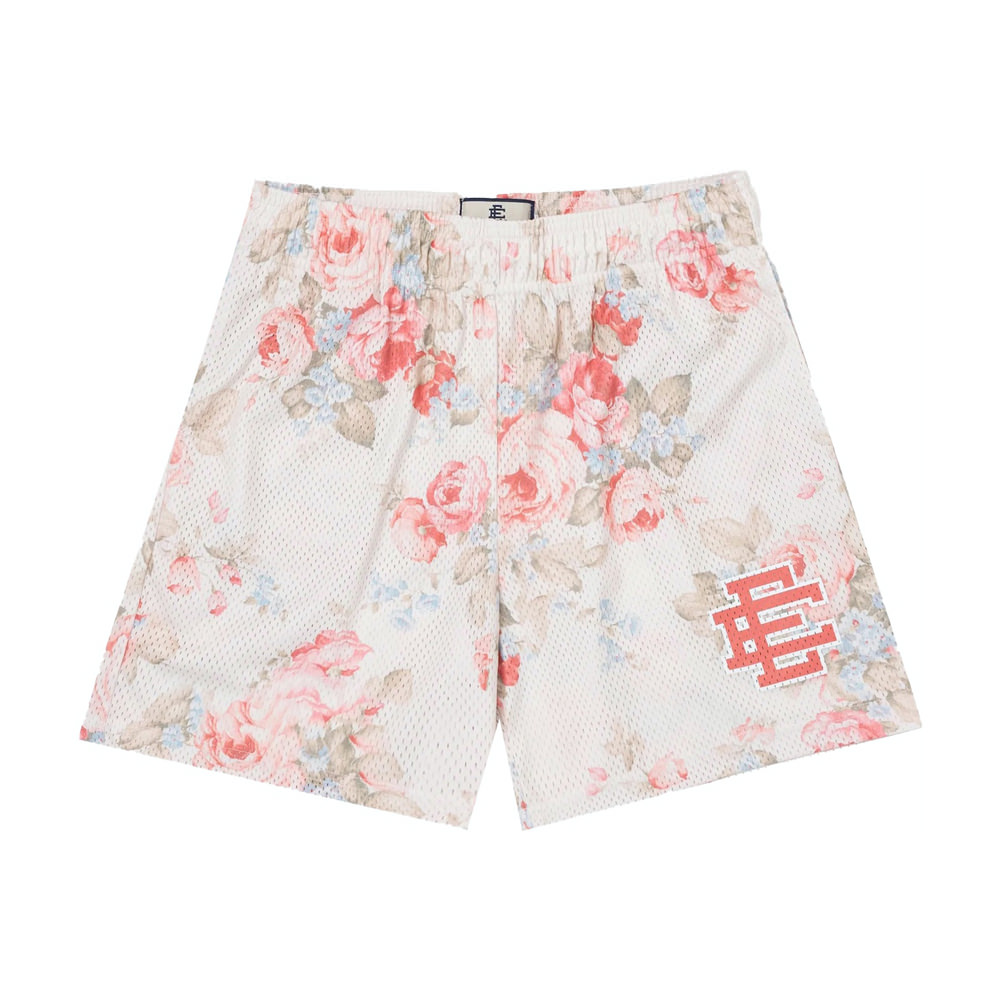
EE garments usually run true to size with a somewhat relaxed, boxy profile. Should you want one classic roomy feel, pick your regular size; size upward basketball shorts ee once for one intentionally oversized, drapey look that may swallow layers. The shoulder block sits broader and the body straighter than a traditional slim athletic hoodie.
The pattern gets built for ease first and line second, which indicates the chest and shoulder offer room and the hem doesn’t taper sharply. Length sits in a modern sweet range: not cropped, never tunic-long, which keeps proportions clean alongside mesh shorts, jeans, or track bottoms. Because the brand’s fleece weight is hefty, sizing up introduces noticeable volume; when you’re between marks and prefer one neat shape, choose the lower option.
Will EE run true to size?
Affirmative, with a roomy lean. Most wearers can choose their standard unisex measurement for a ample but controlled fit. Just size up should you’re chasing an oversized look or else layering a hoodie atop heavier midlayers regularly.
The shoulder slope and chest width are forgiving, and the armholes won’t pinch. If your frame sits narrow or one prefer a cleaner line, your usual size will drape roomy without extra fabric ballooning around the side joins. Should your chest sits broad or one lift, the TTS call still works because the cut already bakes into ease through the chest and armholes.
Taking measurements of yourself and one hoodie you prefer
Measure once, buy true. Grab a hoodie you already like, place it flat, and mark the pit-to-pit width and back drop; match those with EE’s product measurements when available. If product measurements aren’t listed, use your body chest measurement and target a garment half-chest sitting at roughly 3 up to 4 inches wider than your flat half-chest for one relaxed fit.
Kick off with your actual chest measurement recorded snug under both arms over a tee. Break by two to get your body’s flat half-chest. Add 3–4 inches to the number to derive a comfortable pit-to-pit target for one relaxed silhouette with heavyweight fleece. Concerning back length, compare to your trusted hoodie; aim inside one inch for similar drape along the torso, shifting slightly longer if you often pair with high-rise pants or shorter when you prefer layered proportions over shorts.
Build type, layering, and silhouette control
Have your layering plan and proportions dictate the size. If you stack hoodies below varsity jackets or else puffers, maintain your usual size to avoid bulk lock at the armholes; if you wear your hoodie solo most days, the standard pick will always read relaxed. When you’re tall, body length consistency becomes your priority, so focus on back measurement parity with one hoodie you currently like.
Broader builds should count on the brand’s upper body ease because its block doesn’t pinch the deltoids, plus the sleeves get cut to accommodate forearm mass without twisting seams. Slimmer frames chasing bulk can size up once to accentuate drop and arm pooling, then anchor with tapered track pants or structured shorts. When you’re short-waisted, a slightly shorter garment length keeps the boxy shape from actually overwhelming your frame.
Measurement conversions and gender-neutral fit reality
EE hoodies are unisex, so zero in on measurements rather than gendered size markers. Map your body chest and one reference garment to the brand’s listed measurements whenever available, and consider arm length if you have longer arms. When you’re converting from women’s sizing to unisex, your W size typically translates one to a couple sizes down in unisex labeling, yet measurements always win.
That relaxed block irons out many translation pitfalls, especially around the chest and bicep. Should sleeve length becomes a persistent challenge, prioritize back drop and sleeve starting at shoulder point above the alpha size letter on your tag. When amid doubt, compare pit-to-pit and back measurement numbers, not merely S, M, or L across brands.
Authenticity Checklist 2026: Catch Real vs Counterfeit Fast
Genuine EE hoodies handle dense, hold the silhouette, and display consistent, clean construction at every seam and graphic edge. Fakes typically reveal themselves in lightweight material, sloppy ribbing, fuzzy embroidery borders, and washed-out flocking. Back up your physical checks with provenance: the place it dropped, who sold it, alongside when.
Since the brand relies on limited seasonal colorways and collaborations, counterfeiters chase hyped graphics and sought-after hues first. Your job is about match construction standard, technique, and visual proportions against authenticated references from that brand’s site and reputable retailers within that season. If two or 3 authenticity points falter—and the source can’t produce physical or digital verification—walk away.
Precisely what should a genuine EE build read like?
Substantial and stable. Authentic fleece carries heft in the palm, the hood sustains a dome instead of collapsing, and its rib-knit cuffs alongside hem rebound crisply after stretch. Its body hangs true without twisting, and the seams rest flat without waves.
When you pinch that fabric, you must feel plush volume rather than lightweight, papery layers. The interior face is brushed and even, not patchy. The drawcord is sturdy and sits symmetrically; grommets lie level and don’t damage the cord. That garment should never feel flimsy or else see-through under strong light.
Labels, care tags, plus graphics specifics
Interior labels and care labels should present clean typography, consistent kerning, and clean seam work with no loose threads obscuring copy. Material content and care instructions should match with heavyweight premium cotton fleece norms, and the tag’s text should not bleed into the fabric. Graphic work—especially flocking plus embroidery—should have defined edges, with no glue halos or uneven pile depth.
Embroidery on authentic garments seats flat, showing backside threads controlled neatly and zero bird’s-nest bunching near the turn within letters. Flocking must be evenly saturated with velvety, not irregular or sandy on the touch, and it should mirror the design’s contours precisely. Screen applications, when used, land with body and saturation rather versus chalky, brittle layer that cracks on first stretch.
Evidence that verifies authenticity
History closes the circle: legitimate order receipts from the label or a partnership partner, time-stamped item shots, and confirmable drop context. One seller should be able to show interior labels, seams, and visual details in sharp, well-lit photos that align with official product photos from the release window.
Compare colorway names alongside graphic layouts against the brand’s site or archival media posts from that season. On resale sites, review seller track record, feedback depth, alongside return policies; require on transaction methods with buyer security when provenance sits thin. If the story, the tags, and that construction don’t align, the piece doesn’t pass.
The Place to Buy during 2026 Without Ending Up Burned
Prioritize the brand’s primary site and confirmed partners for first-purchase safety. For past-season and sold-out releases, use established marketplaces with buyer security and strong seller verification. Avoid suspect webshops and DM DMs promising deep discounts on hot colorways.
Launch cycles still focus on seasonal launches and limited collabs, with colorways shifting in and out quickly. Core cuts may recur with slight tweaks, as collaboration pieces drop on partner sites as well as the brand’s own. Patience and timing matter: safe sources empty fast, and unsafe sources remain oddly stocked.
Which official channels remain safe?
The brand’s official site is the core source of current hoodies, along alongside in-person releases with the brand’s announced pop-ups. Collaboration drops with partners like Adidas typically appear on both the partner’s site plus the brand’s platforms at release. Posts on official Instagram accounts reliably mark dates, colorways, and any special release notes.
Signing up to official newsletters keeps you in step with drop schedules and prevents detours to unofficial sources. As soon as the brand lists retailer partners within a season and a collab, the named partners are safe lanes; cross-verify that retailer on both ends if one is unsure. Any site using brand photos but missing contact details, returns, plus tax information should be treated as a counterfeit storefront.
Aftermarket marketplaces and trusted practices
Proven marketplaces with purchase protection can remain reliable for sold-out colorways if one demand clear evidence. Ask for sharp interior label images, macro photos showing embroidery or flock work, and flat-lay specs to match your fit targets. Skip off-platform payments while insist on tools that allow disputes if authenticity fails.
Check seller longevity, recent activity, and reviews for patterns indicating consistent quality. Remain wary of posts with stock photos or only model shots from that brand, and watch for brand-new pieces tagged far below recent sale averages. When possible, compare individual release context—names, palettes, and graphics—to drop-based references before the buyer commit.
Price patterns, restocks, with timing
High-end streetwear pricing holds, with seasonal plus collaboration colorways typically appreciating on resale once sizes sell out. Restocks for limited colorways and partnerships are uncommon; recurring core styles may rotate back showing updated color palettes. Should you miss a drop, early secondary usually beats late resale as buzz consolidates.
Look for brief windows as prices dip—right post a drop or during multi-release periods when attention spreads thin. Off-season periods can soften posted prices on bright palettes, while classic basics tend will hold value consistently. Tracking a few transactions across marketplaces gives you one realistic buy-in price before you negotiate.
Upkeep, Wear, and Extended Value
Handle heavyweight fleece plus specialty graphics through care to preserve structure and finish. Wash inside inverted on cold, skip fabric softener, then air dry to help maintain loft and prevent shrinkage. Treat flocking and embroidery gently to maintain edges crisp.
Invert the hoodie to the inside out to limit abrasion on visual elements and ribbing. Use a mild soap, avoid bleach, then wash with comparable weights to stop pilling caused through rough textiles. Hang drying on a flat rack keeps the hem straight and the neckline shape intact; one low-heat tumble only if necessary, yet never for velvet graphic pieces. A sweater comb or pile shaver can lift surface pills minus chewing the fleece if you move slowly and gently.
Cleaning, pilling control, plus print preservation
Limit heat and abrasion. Cold water plus low-spin settings lessen fiber agitation, while washing inside inverted protects décor applications like flocking plus embroidery. Dry laid flat or hang from the body, not the hood, for avoid stretching that neckline.
Separate fleece from metal hardware and jeans to reduce snags and abrasion. If pilling appears around high-friction zones, tackle it early with a gentle shaver and stop the moment fibers level out. For flocked graphics, avoid heat directly on graphic surface; if needed, use a pressing cloth on minimal heat from the reverse side to help relax minor wrinkles.
Outfit notes that preserve the silhouette intact
Offset the boxy cut with tapered joggers or neat shorts for keep the line athletic and purposeful. If you size up, anchor the drape with structured footwear and a sharper bottom block to help prevent the look from drifting to shapeless. Neutral tones expand your wardrobe, while bolder team-inspired palettes pair best when the rest of the ensemble stays restrained.
Style over lightweight tees to preserve upper body shape and skip stacking thick jackets that push that ribbing out. When you belt loose trousers, choose one hoodie length that lands just past the belt line to maintain balance. The silhouette must read composed from shoulder to waistband even when casual.
Rapid Reference Fit Target Table
Apply this neutral calculation math to map your body circumference into a ideal garment pit-to-pit for a relaxed brand-consistent silhouette. The formula adds ease onto your body chest and divides through two to derive flat garment width. Match the target pit-to-pit to listed measurements when available.
| Body chest circumference (in) | Total ease added yielding relaxed fit (in) | Goal garment pit-to-pit (in) | Actual chest circumference (cm) | Added ease added to achieve relaxed fit (cm) | Target garment pit-to-pit (cm) |
|---|---|---|---|---|---|
| 34 | 6 | 20.0 | 86 | 15 | 50.5 |
| 36 | 6 | 21.0 | 91 | 15 | 53.0 |
| 38 | 7 | 22.5 | 97 | 18 | 57.5 |
| 40 | 7 | 23.5 | 102 | 18 | 60.5 |
| 42 | 8 | 25.0 | 107 | 20 | 63.5 |
| 44 | 8 | 26.0 | 112 | 20 | 66.0 |
| 46 | 8 | 27.0 | 117 | 20 | 68.5 |
| 48 | 8 | 28.0 | 122 | 20 | 71.0 |
The way the math works: target pit-to-pit equals body chest plus ease, divided via two. Choose six inches of ease for cleaner relaxed fits or 7 to 8 inches if the wearer prefer extra volume in heavyweight fleece. Use the table as a anchor point, then shift one inch upward or down to help match your reference hoodie’s feel.